Road Marking Paint and Machine Manufacturer
+86-15668659958
Road Marking Paint and Machine Manufacturer
+86-15668659958
Cold marking paint and hot melt marking paint are common road marking paints in our daily lives. They have specific differences in application and construction. Sometimes we don’t know how to distinguish and which one to choose. Below, the editor will take you to understand the characteristics and differences of these two types of road marking coatings. I hope it can be a reference for everyone when you choose products.
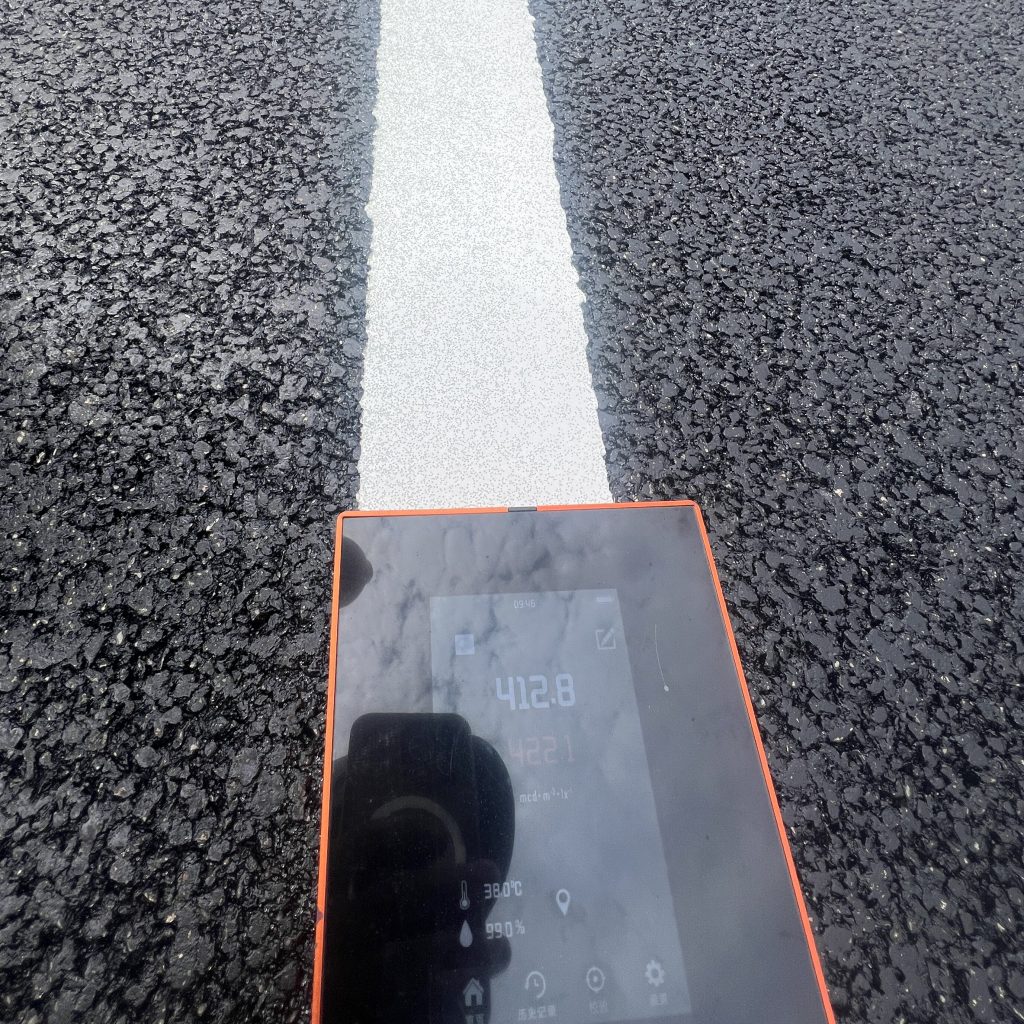
The difference between cold marking paint and hot melt paint is as follows:
Cold marking paint is a liquid paint, packaged in liquid paint (water and oil) barrels; Hot melt coating is in powder form and packaged in woven bags.
Hot melt coatings can be divided into hot melt road marking coatings, hot melt raised road marking coatings, and colored anti-skid road marking coatings.
Cold marking coatings are divided into single component or two-component cold spray marking coatings, scratch coating marking coatings, structural marking coatings, colored anti-skid pavement marking coatings, water-based pavement marking coatings, fluorescent marking coatings, and all day reflective marking coatings.
Hot melt coatings are solid powders at room temperature. During construction, the paint should be placed in a melting pot, and the temperature inside the pot should be controlled between 180 ℃ -210 ℃, while melting and stirring. After melting into a molten flow state, it should be placed in the insulation melting hopper of the marking vehicle. Then, introduce the dissolved paint into the marked bucket and keep the material in a molten state for insulation. Before marking, apply primer to the designated location on the design drawing using a lower coating machine at the position marked by the pre marking machine. Standard coatings can only be used when the lower coating is completely dry.
Cold marking paint can be directly used for marking without heating. Marking paint can be directly diluted with diluent and drawn using a brush, roller, or cold spray marking machine. The color is clear and the craftsmanship is relatively simple.
The film thickness of cold marking paint is between 0.3mm-0.9mm, and the general construction thickness is around 0.5mm. Cold spraying construction only requires 0.25 kg of material per square meter.
The film thickness of hot melt coating is 0.9-3.3 millimeters, and the general construction thickness is about 1.5-1.8 millimeters. Hot melt standard paint requires 4-5 kilograms per square meter.
The shelf life of cold marking paint is 1 year, and the shelf life of hot melt paint is 2 years.
The thickness of cold marking paint is relatively small, and it can be applied by covering or removing the original marking before painting. But if the hot melt coating is applied again, it won’t look good. Therefore, in many construction sites, old lines are removed using grinding machines before new hot-melt coating can be applied again for marking.
Hot melt coating construction can generate open flames to heat the coating, which can easily cause safety hazards. And, some floors, parking lots, etc. Not resistant to high temperatures and not convenient for construction. Cold marking paint is safer than construction at room temperature. In addition, water-based road marking coatings with water as a diluent have low odor, are environmentally friendly, non flammable, non explosive, and have high safety, which meets the requirements of engineering environmental protection and reduces the impact on the health and life of construction personnel and users. It is a new type of environmentally friendly marking coating.
Our company is a professional manufacturer of road hot-melt coatings, road retroreflective measuring instruments, and road marking machines. If you are interested, please feel free to communicate with me via email at any time export@toproadtraffic.com