Road Marking Paint and Machine Manufacturer
+86-15668659958
Road Marking Paint and Machine Manufacturer
+86-15668659958
The engineering team owner and construction team procurement often face a multiple-choice question: Should this project use hot melt, cold paint, or two-component? How to choose from so many brands on the market? Today, instead of delving into complex chemical formulas, we will use an article to help you understand and quickly find the appropriate ‘it’.
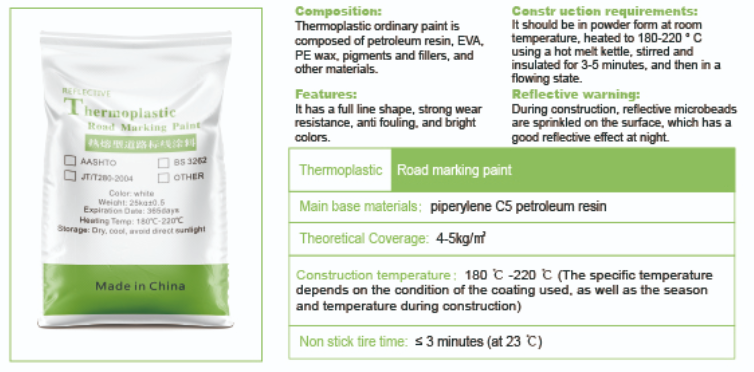
Step 1: Ask yourself – What are the main application scenarios of the project?
A. Highways, national and provincial highways and other high-grade highways:
Core requirements: high wear resistance, sustained high reflectivity (reflectivity coefficient), fast opening to traffic, long lifespan.
Recommended first choice: Hot melt reflective marking paint. This is a mature and cost-effective choice. TOP ROAD’s hot melt coating series has stable quality and high output, fully meeting the requirements of national standards.
Advanced choice (with sufficient budget and extremely high requirements): Two component marking paint (structural or scraping type), with wear resistance several times that of hot melt, good reflective durability, but high construction requirements.
B. Municipal roads, urban blocks, parking lots:
Core requirements: Flexible construction, diverse colors (can be colored), strong adaptability to grassroots, sometimes requiring nighttime reflection.
Recommended choices:
Hot melt type: suitable for the main markings on the roadway.
Cold paint type: suitable for parking lines, sidewalk signs, residential roads, etc. Fast construction, no need for heating. TOP ROAD cold paint has rich colors, high solid content, and strong covering power.
Dual component type: suitable for bus lanes, bends, etc. that require extremely high wear resistance.
C. Special functional sections (sharp turns, ramps, ramps, rainy night sections):
Core requirements: high skid resistance, rain night reflection, vibration warning.
Recommended choices:
Anti slip marking coating (hot melt or two-component): Spread large particle size aggregates on the surface to increase the friction coefficient.
Rainy night reflective marking (using special hot-melt or two-component coating with high refractive index glass beads).
Shake type markings (hot melt raised markings).
Step 2: Ask yourself – What is the ranking of the core performance requirements for the project? (Balance within budget)
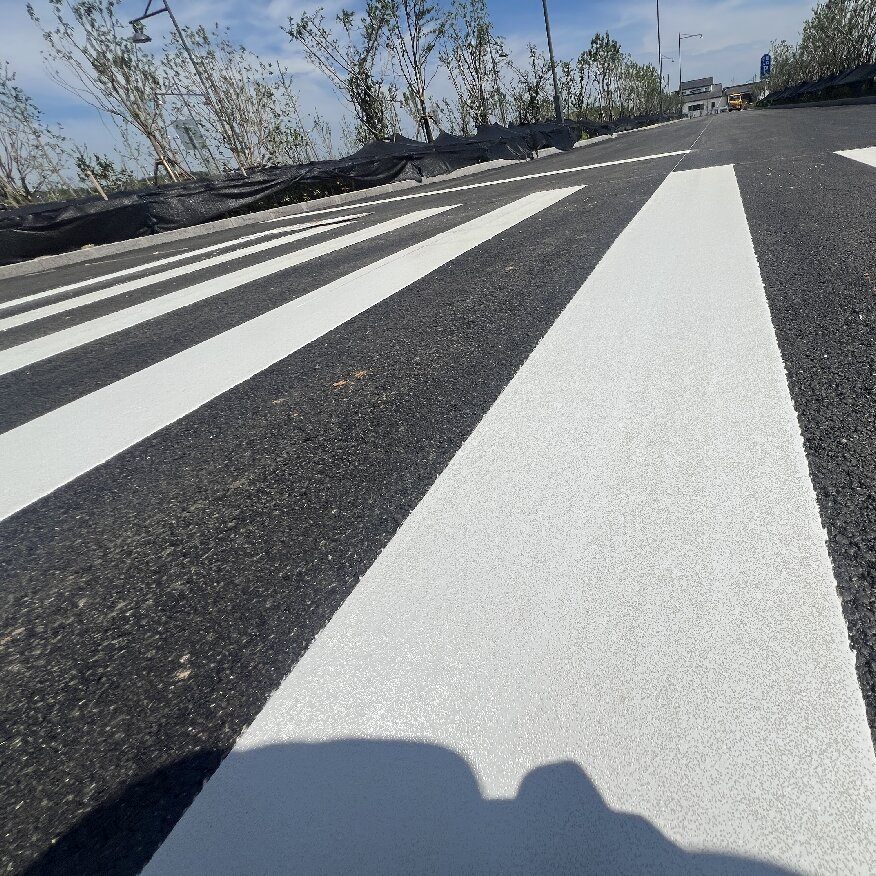
Do you value durability and reflectivity? Prioritize hot melt or two-component.
Do you value construction speed and flexibility? Prioritize cold paint.
Value environmental protection and low odor (indoor or enclosed spaces)? Prioritize water-based cold paint or environmentally friendly two-component.
Need for rapid traffic (such as urban repairs)? Hot melt (3-5 minutes surface drying) or fast drying cold paint/two-component.
How to choose the appropriate marking paint? An article to help you understand
Step 3: Ask yourself – what is the type and situation of grassroots?
New/Old Asphalt Pavement: Very versatile, with three types of coatings to choose from, but attention should be paid to the anti oil problem of new asphalt
Cement concrete pavement: It is necessary to use products with strong adhesion and apply special primer. Hot melt or cold paint optimized for cement-based adhesion can be used, or two-component coatings with strong adhesion can be directly selected. TOP ROAD has product solutions for cement pavement.
Old marking coverage: The type and bonding condition of the old marking need to be confirmed. It is usually recommended to first physically remove or use specialized covering coatings.
Step 4: Ask yourself – how much budget and schedule pressure are there?
Pursuing better comprehensive cost-effectiveness (materials+construction): Hot melt coatings are usually a balanced choice.
The preliminary material budget is very tight: it is necessary to carefully choose low-priced cold paint and calculate the comprehensive cost.
The construction period is extremely tight and requires night or low temperature construction: products with strong adaptability to the corresponding environment, such as low-temperature hot melt or fast drying cold paint, need to be selected.
Step 5: The most crucial step – which supplier to choose? Once you have determined the type of coating through the above steps, choosing a supplier is equally important. An excellent supplier should possess:
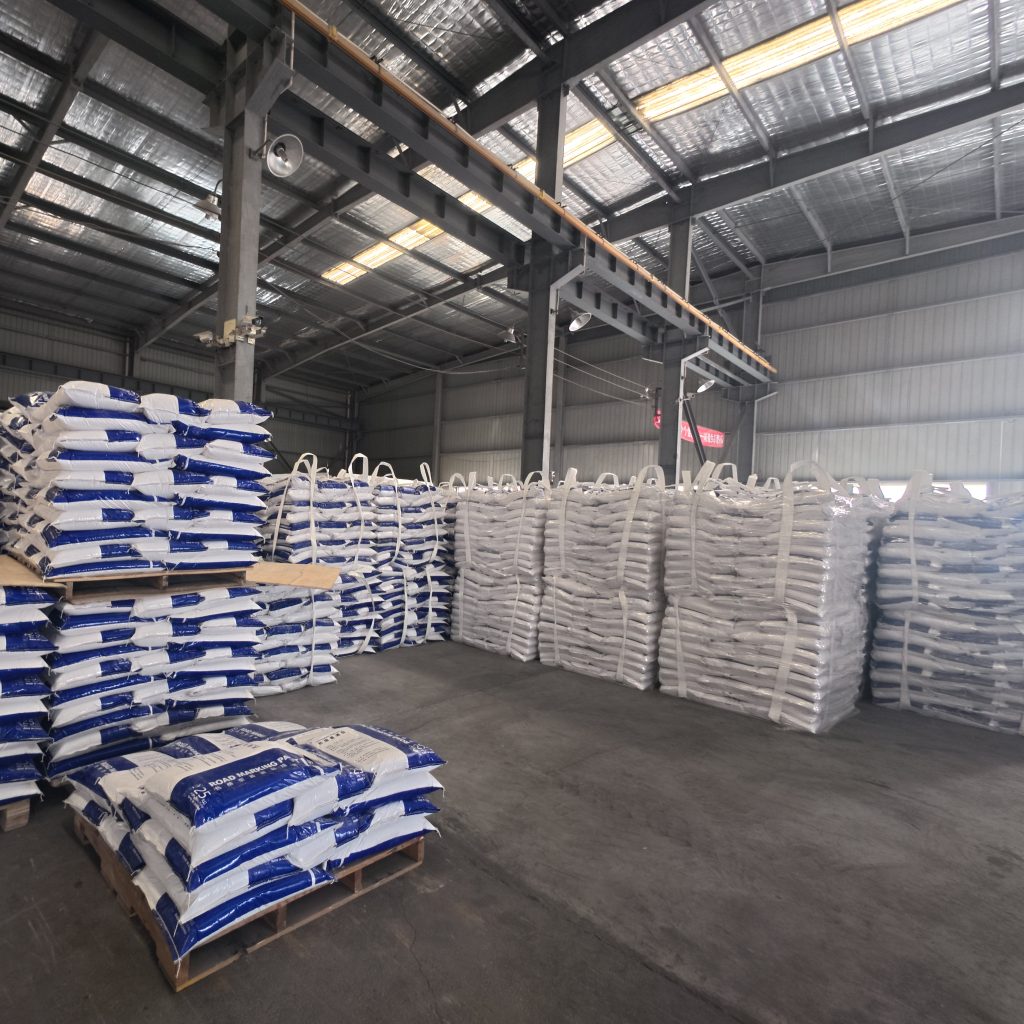
Complete product range: We can provide all types of products you need, such as TOP ROAD covering hot melt, cold paint, two-component and other full categories.
Quality stability and supply guarantee: Ensure that products from different batches are consistent and can be delivered in a timely manner. The layout of TOP ROAD’s four national bases and eleven warehouses is aimed at ensuring stable quality and timely supply.
Technical support and service: able to provide selection suggestions and construction support. TOP ROAD’s professional technicians can provide you with advice.
There is no single answer to choosing marking paint, only a suitable solution. By clarifying the requirements step by step through the above process, you can make scientific decisions. When you need a partner who can provide multiple options, reliable quality, and professional advice, a manufacturer like TOP ROAD with a complete range of products and 30 years of experience in the industry is undoubtedly a reliable assistant on your decision-making journey.
Our company is a professional manufacturer of road hot-melt coatings, road retroreflective measuring instruments, and road marking machines. If you are interested, please feel free to communicate with me via email at any time export@toproadtraffic.com