Road Marking Paint and Machine Manufacturer
+86-15668659958
Road Marking Paint and Machine Manufacturer
+86-15668659958
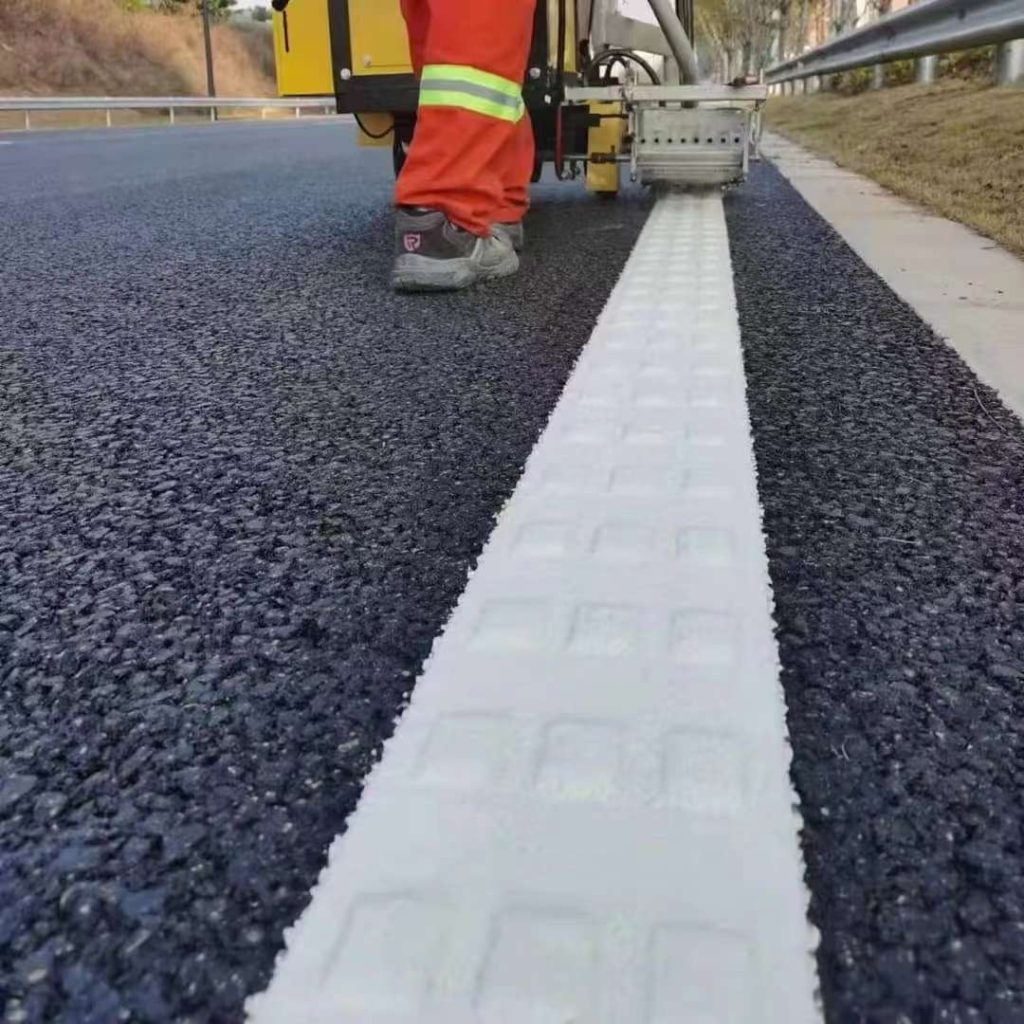
In the field of road safety, nighttime driving vision is a key factor in accident prevention. As a professional supplier in the road marking industry, TOP ROAD Transportation Technology Co., Ltd. has successfully cracked the technical code for the night reflective performance of hot-melt marking coatings based on years of research and development experience. The […]
Read More
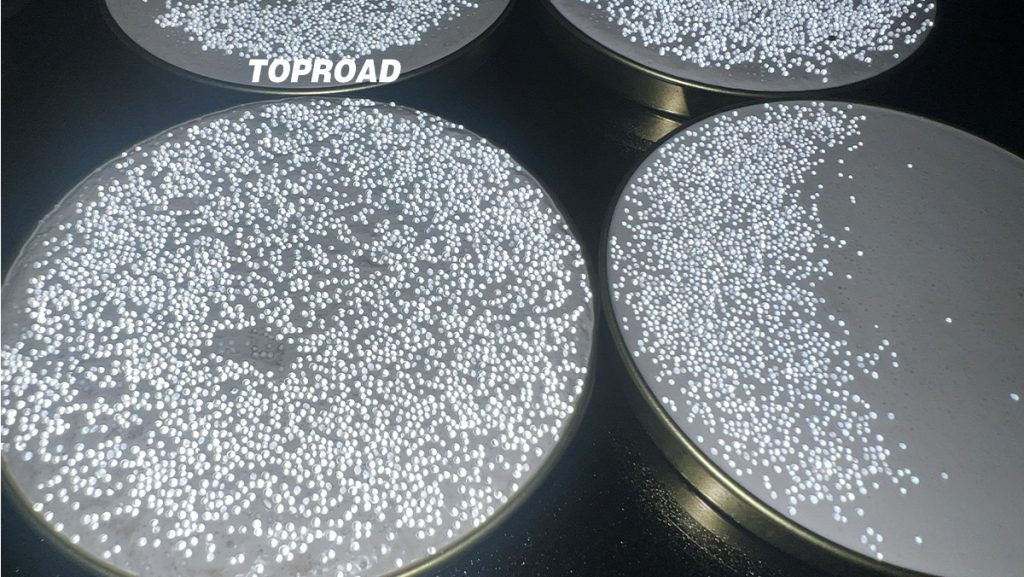
In modern traffic management, the setting of road markings is one of the important measures to ensure driving safety and improve traffic efficiency. Especially at night or in adverse weather conditions, the visibility of markings is particularly critical. Glass beads, as an important material used to enhance the reflective performance of road markings during construction, […]
Read More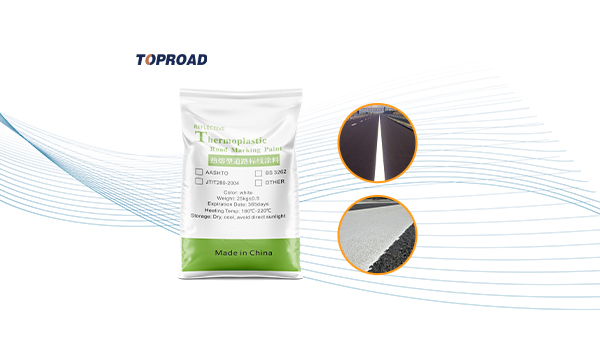
In the field of modern road construction and maintenance, the selection of marking materials directly affects road safety and service life. As a leading enterprise in the road marking industry, TOP ROAD Transportation Technology Co., Ltd. has been deeply involved in the field of hot-melt marking coatings for many years, accumulating rich experience in research […]
Read More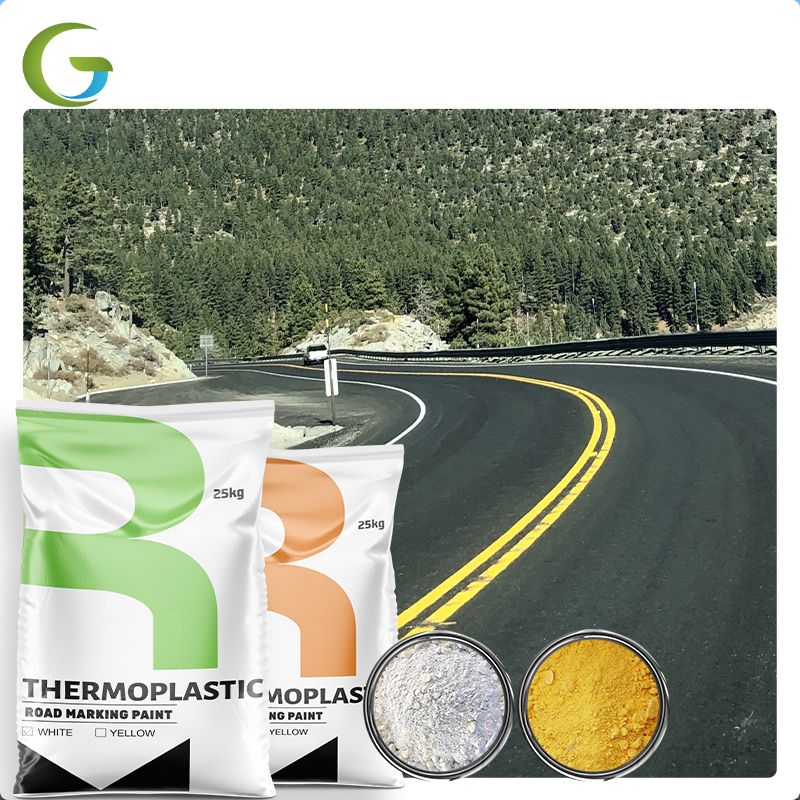
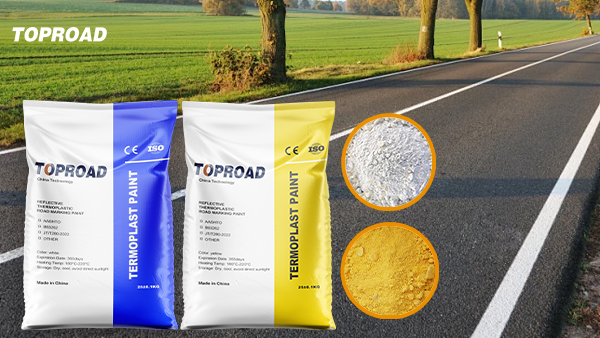
Road markings are an important component of transportation infrastructure, and their quality directly affects road traffic safety and service life. Among numerous road marking coatings, hot melt road marking coatings are widely used due to their excellent performance. As a professional supplier in the field of road marking, TOP ROAD Transportation Technology Co., Ltd. has […]
Read More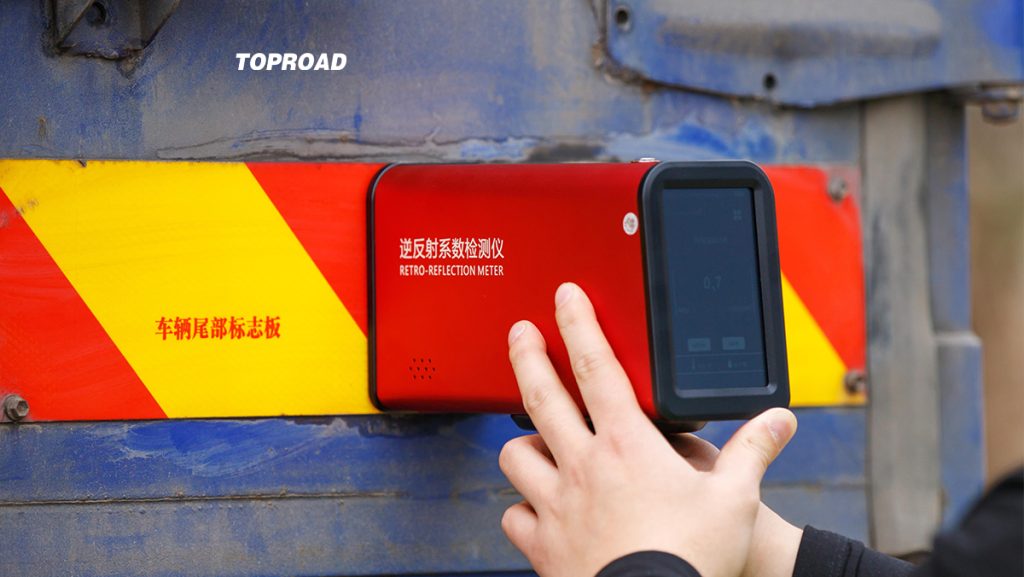
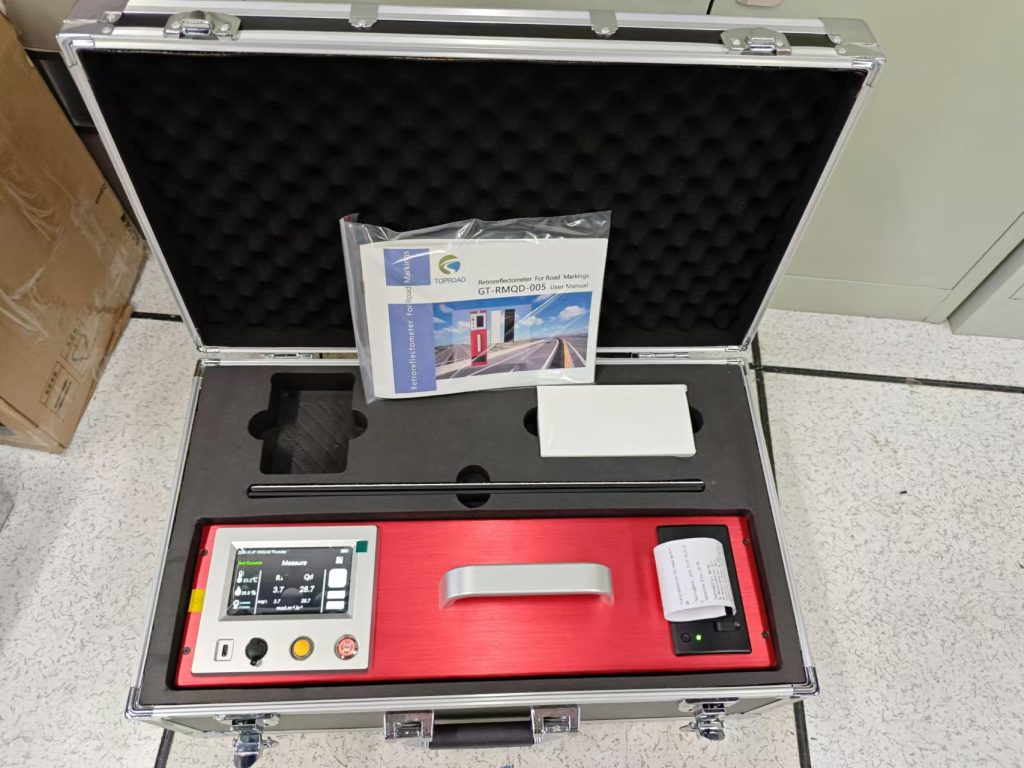
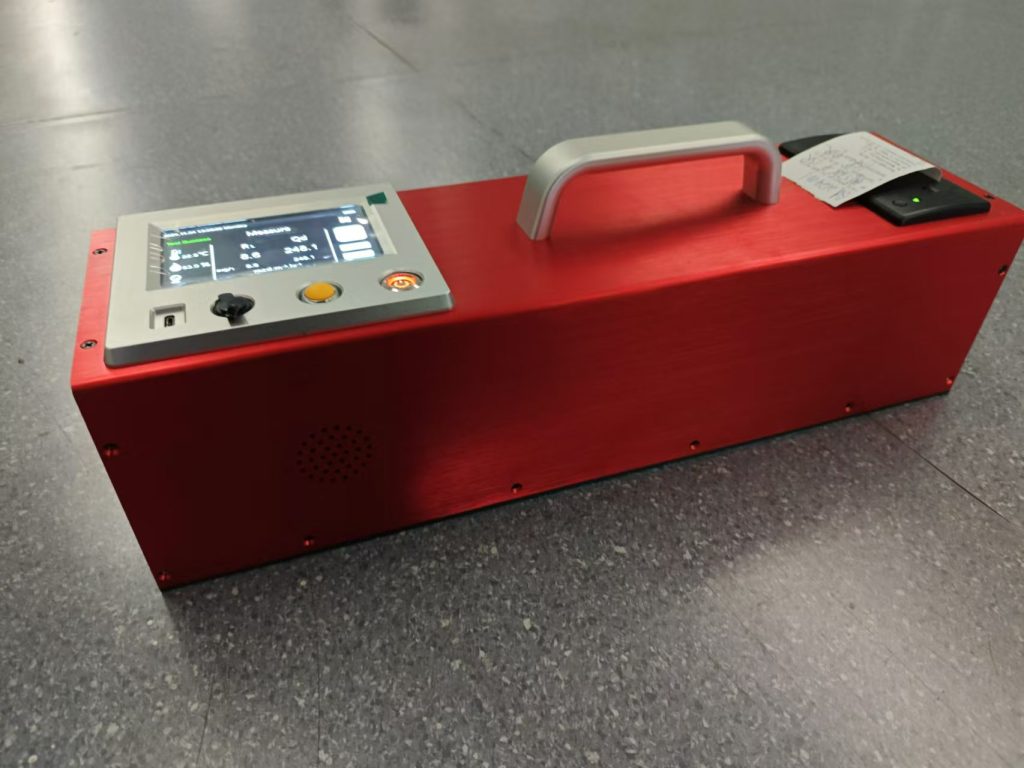
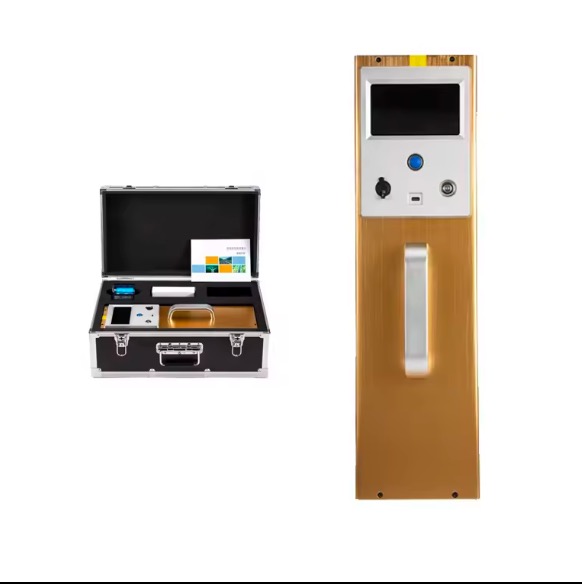
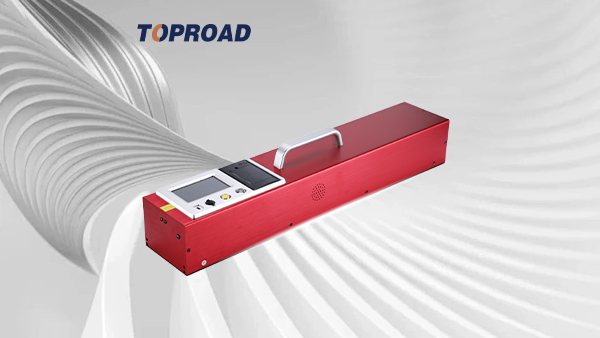
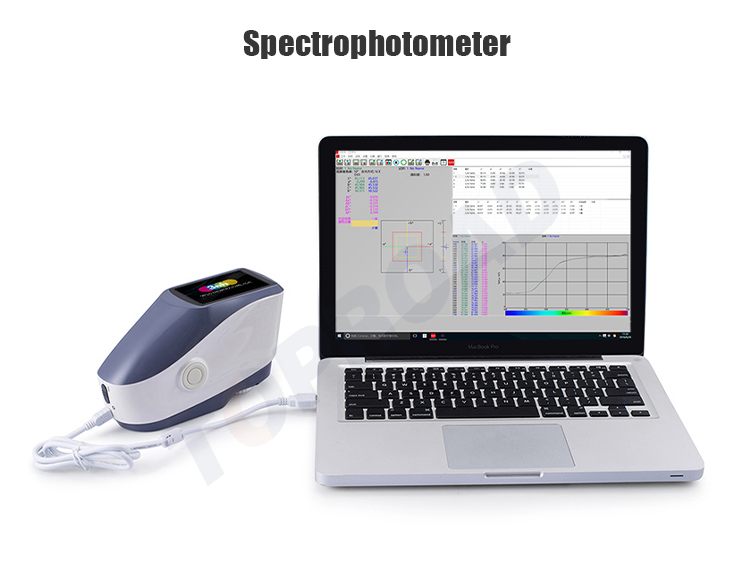
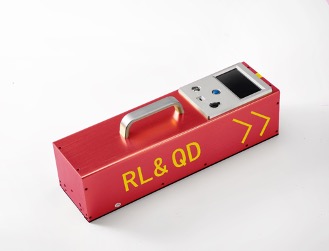
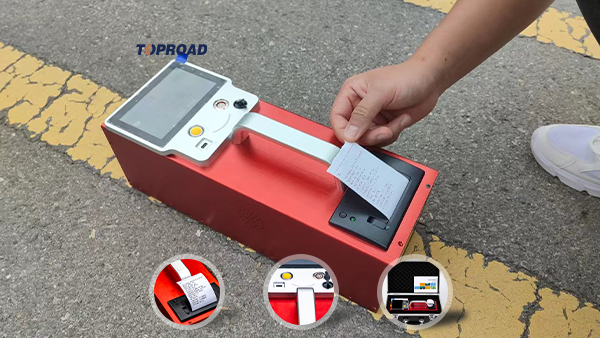
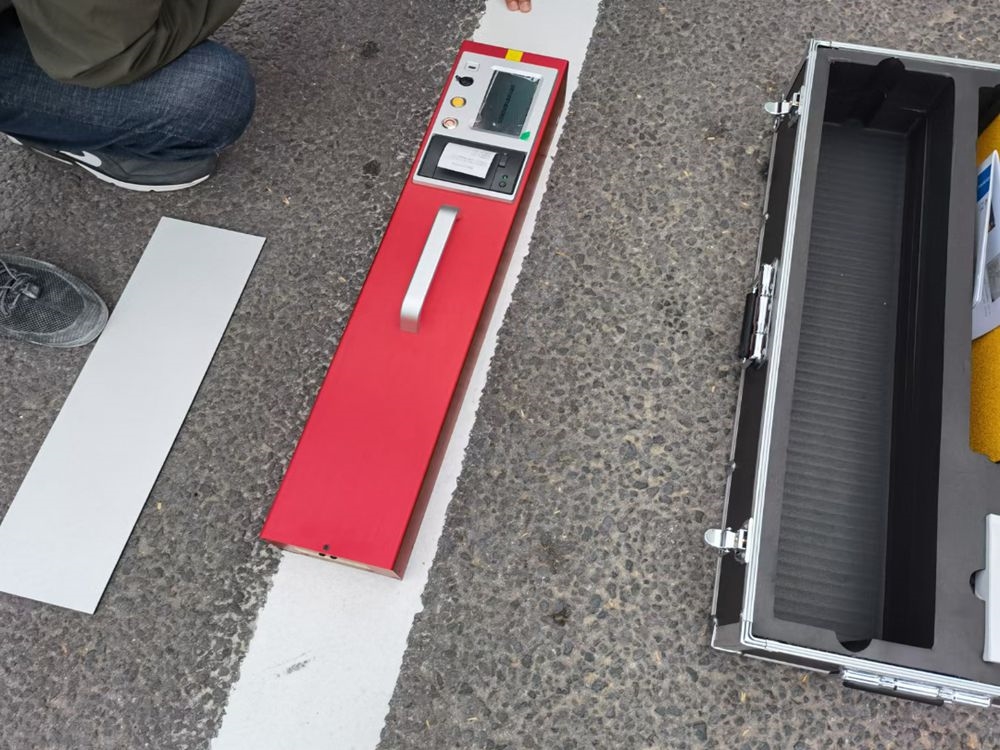
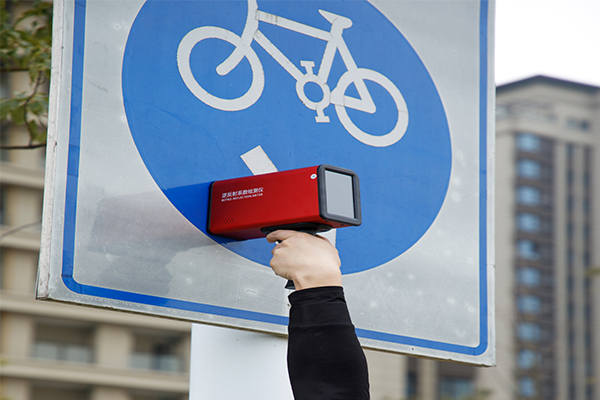
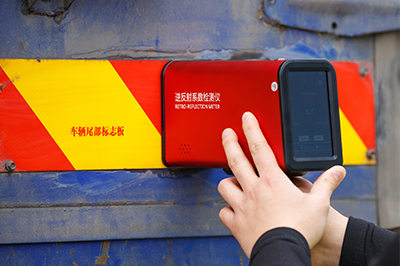
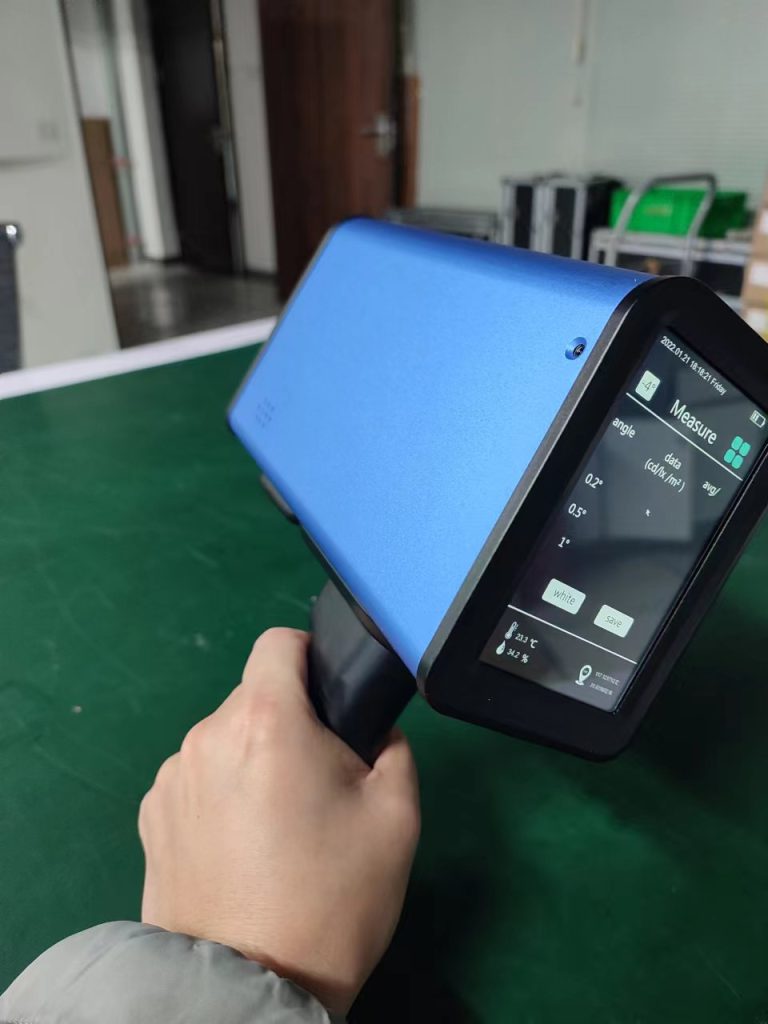
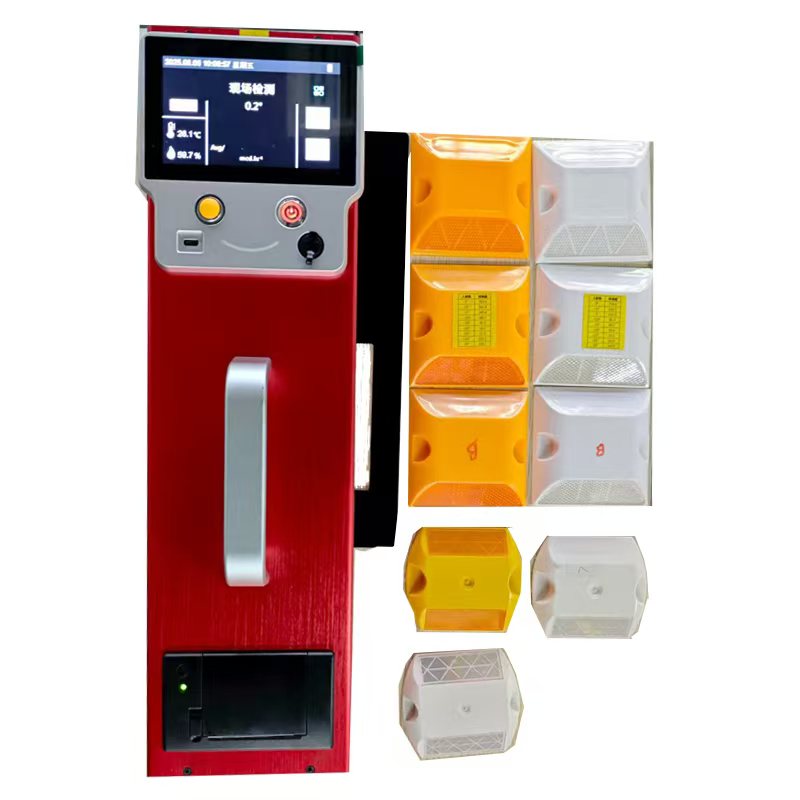
Road marking reflecting measuring instrument handheld retroreflectometer for traffic signsSpecifications Model AT-SR-006 Measurement items Reverse reflection coefficient cd.lx-1 .m-2 Measurement range 0—1999.9 Observation angle 0.2° Incident angle -4° Light source color temperature 2856 ± 50K (Standard light source A) Test point diameter 32mm Repeatability measurement error ≤2% Reproducibility measurement error ≤3% Battery continuous operation time […]
Read More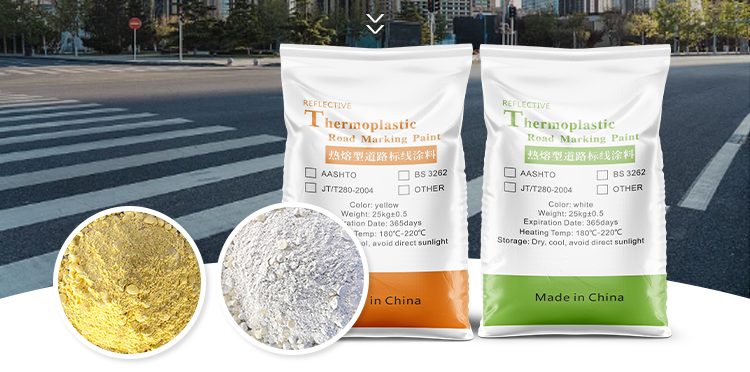
Road markings are an important component of traffic management. Clear and standardized markings can not only guide vehicles to pass in an orderly manner, but also effectively improve road safety. As a professional service provider in the field of transportation facilities, TOP ROAD Transportation Technology Co., Ltd. has been deeply involved in the industry for […]
Read More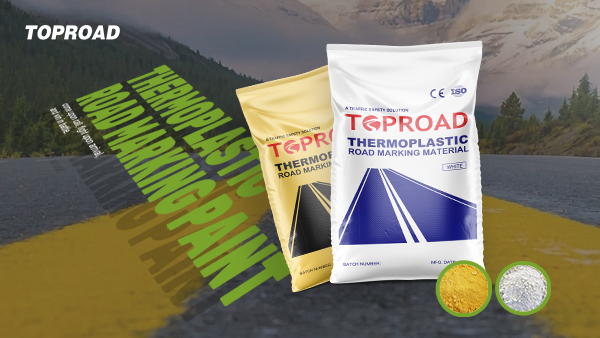
The selection of marking coatings in highway construction and maintenance projects directly affects road safety performance and service life. As a leading enterprise in the domestic road marking industry, Henan San Aisi Transportation Technology Co., Ltd., with 30 years of technical accumulation and rich project experience, deeply analyzes the characteristic differences between hot-melt and two-component […]
Read More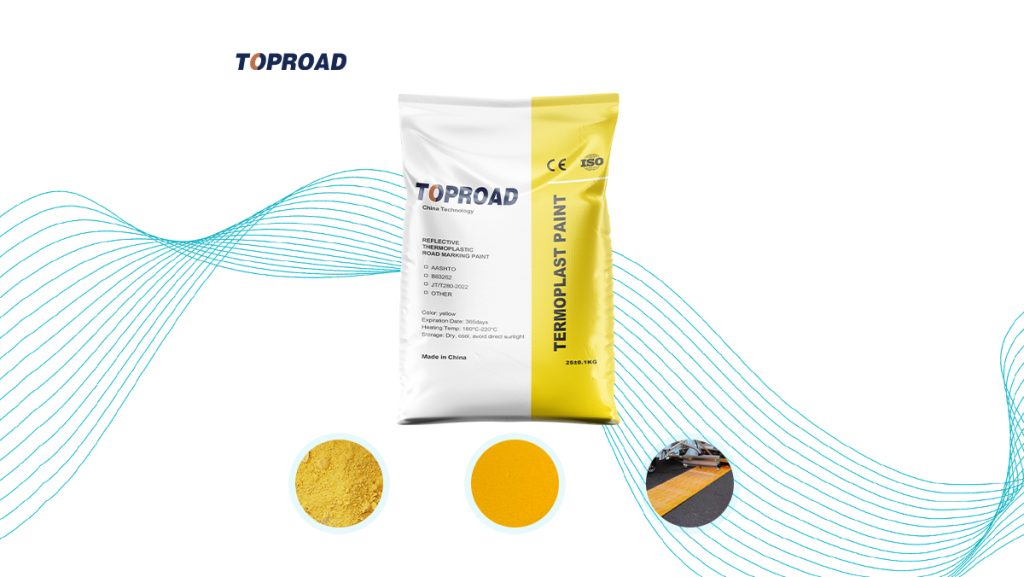
In the road marking industry, TOP ROAD Transportation Technology Co., Ltd. has been deeply involved for 30 years and has witnessed too many cases of premature failure of markings due to selecting the wrong coating manufacturer. Today, we will reveal the truth of the industry and help you avoid these “pitfalls” and choose a truly […]
Read More
In municipal engineering construction, road markings are an important component of traffic safety facilities, and their construction quality directly affects the effectiveness of road use and traffic safety. However, cost control of marking projects has always been a difficult problem for many construction units. As a leading enterprise in the road marking industry, TOP ROAD […]
Read More
In road engineering construction, although marking construction may seem simple, there are many hidden technical points. As a professional supplier with 30 years of experience in the road marking industry, TOP ROAD Transportation Technology Co., Ltd. brings you this comprehensive guide for marking construction, from material selection to acceptance, to help you create high-quality and […]
Read More
As a construction master who has been deeply involved in the road marking industry for 10 years, I have seen too many engineering problems caused by selecting the wrong paint. Today, let me share with you the practical experience of selecting marking coatings from the perspective of professional construction personnel at TOP ROAD Transportation Technology […]
Read More
In the road marking industry, the quality of hot-melt marking coatings directly affects road safety and service life. As a leading provider of road marking solutions in the industry, TOP ROAD Transportation Technology Co., Ltd. understands the importance of quality in marking engineering. Through actual testing and comparison of mainstream hot melt marking paint brands […]
Read More
In the field of road marking construction, hot-melt marking coatings are widely used due to their excellent durability and reflective properties. As a professional marking paint supplier with 30 years of experience in the industry, TOP ROAD Transportation Technology Co., Ltd. has witnessed the success and lessons of countless marking projects. Today, we will share […]
Read More
In the field of road marking construction, hot-melt marking coatings are widely used due to their excellent durability and cost-effectiveness. However, even experienced construction teams often encounter some tricky problems. As a professional marking paint supplier with 30 years of experience in the industry, TOP ROAD Transportation Technology Co., Ltd. has witnessed countless construction cases. […]
Read More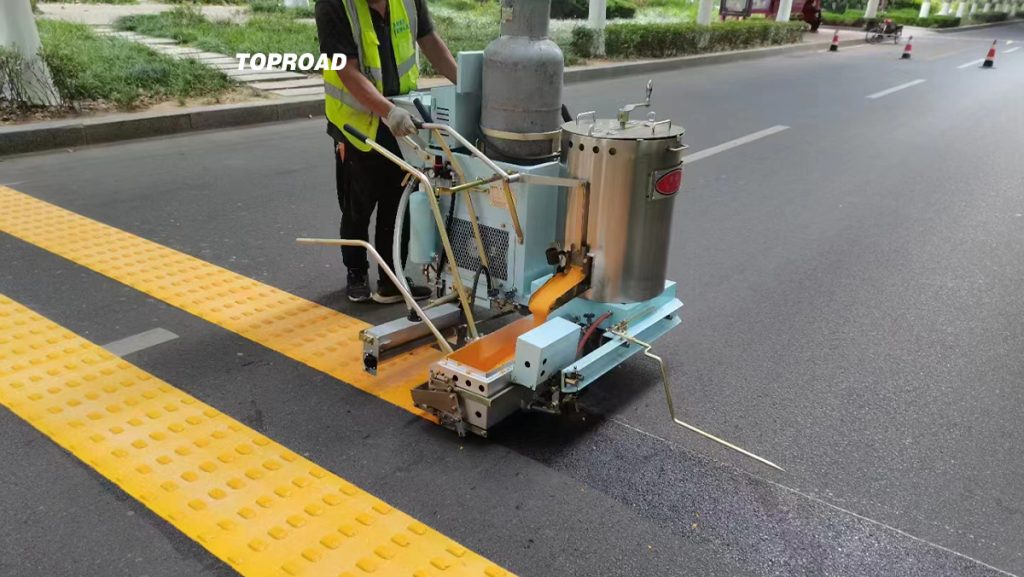
In the field of road construction and maintenance, the quality of marking coatings directly affects traffic safety and service life. As TOP ROAD Transportation Technology Co., Ltd., which has been deeply involved in the industry for 30 years, we deeply understand the importance of choosing high-quality marking paint factories. TOP ROAD Road Marking Coating Factory […]
Read More
In the road marking construction industry, TOP ROAD Transportation Technology Co., Ltd. has witnessed too many “overturning sites” caused by improper construction. Today, we will take stock of the common mistakes that the engineering team regrets and help you avoid these “pitfalls” to ensure a successful marking construction. Fatal Error 1: Blind Construction Ignoring Weather […]
Read More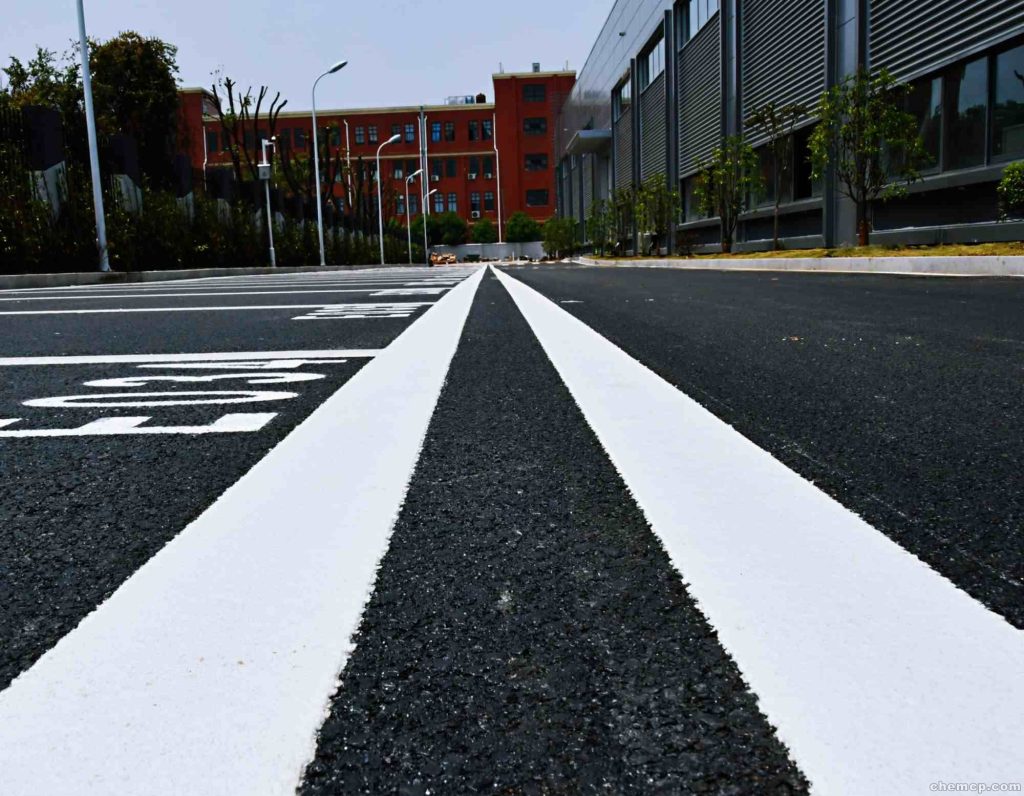
In the field of road markings, the durability of markings is directly related to traffic safety and maintenance costs. Traditional coatings often experience issues such as fading, cracking, or reduced reflectivity in the short term, leading to frequent rework and maintenance costs. And two-component marking coatings, with their unique chemical curing mechanism, are becoming an […]
Read More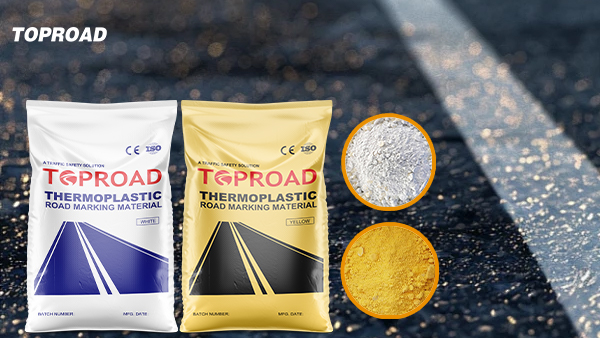
In the construction of municipal road markings, the flowability of hot-melt coatings directly affects the flatness and construction efficiency of the markings. Insufficient liquidity can lead to rough edges, uneven thickness, and even problems such as broken lines and pockmarks on the marking lines. TOP ROAD Transportation Technology Co., Ltd. has been deeply involved in […]
Read More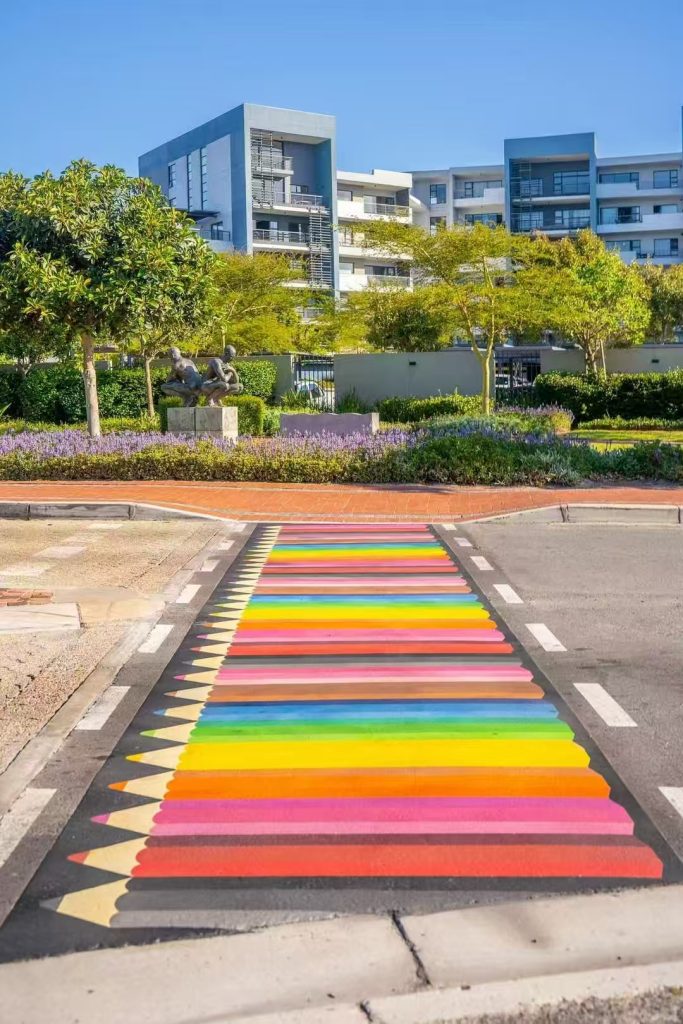
In today’s tourism boom, scenic area roads are not only transportation channels, but also important elements to enhance tourists’ experience. Colorful anti-skid road coatings, with their high aesthetic value and long-lasting performance, have become a standard feature for internet celebrities to add beautiful scenery to scenic spots. TOP ROAD Transportation Technology Co., Ltd., as a […]
Read More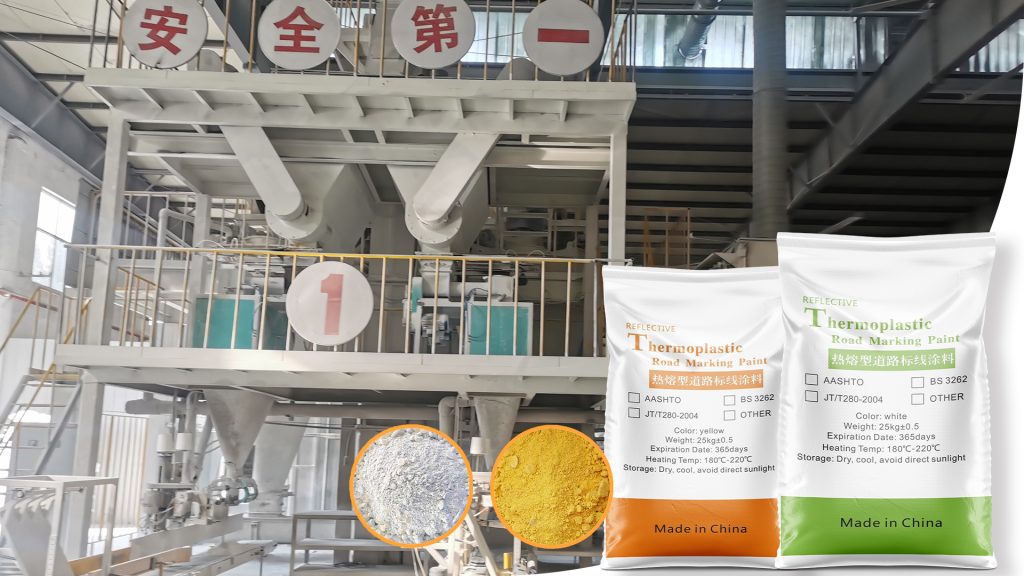
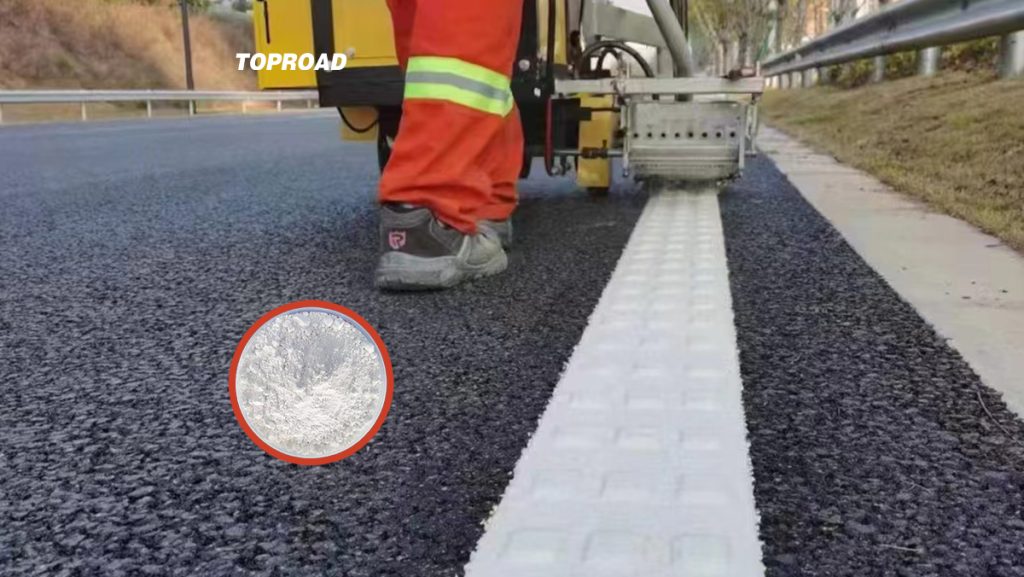
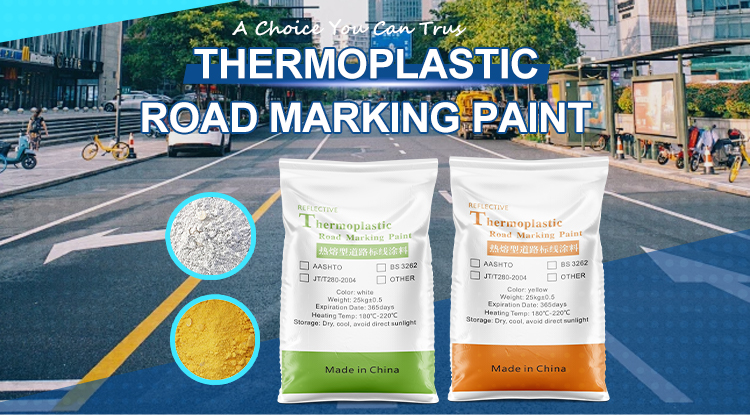
The core advantage of hot melt marking paint lies in its excellent and long-lasting protective performance. TOP ROAD Transportation Technology Co., Ltd.’s products use scientific formulas to form a tough coating after curing, effectively resisting frequent vehicle crushing and severe weather erosion. This means that during construction on highways, urban roads, or high traffic areas, […]
Read More